FAQ

Everything You Need to Know

From technology to timelines, find all the key answers in one simple place.

Solar energy is electricity generated from sunlight using photovoltaic (PV) panels. These panels absorb sunlight and convert it into direct current (DC), which is then transformed into usable alternating current (AC) by an inverter to power your home or business.

Yes. While the upfront cost may vary, solar systems drastically reduce monthly electricity bills and often pay for themselves within 5–7 years. Many countries also offer incentives, tax credits, or feed-in tariffs to further enhance savings.

Most solar panels are designed to last 25 to 30 years. Even after that, they continue to produce electricity at around 80% of their original efficiency, making them a long-term investment.

Not necessarily. Batteries are optional and allow you to store excess energy for later use or during power outages. Without batteries, your system can still function by exporting excess power to the grid.

Yes. With the right system size and design, solar panels can supply 100% of your energy needs, depending on location, usage patterns, and sunlight exposure.

Solar panels require very little maintenance. Cleaning the panels every 6–12 months and ensuring there are no obstructions (like dust or leaves) is usually enough. Most systems come with long-term warranties.

Green energy includes power from naturally renewable sources like solar, wind, hydro, geothermal, and biomass. It reduces dependency on fossil fuels and cuts greenhouse gas emissions.

Most locations with regular sunlight are suitable. A solar assessment will consider your roof angle, shading, orientation, and local climate to determine system performance.

Start by contacting a certified solar provider like Solarize. We'll conduct a site survey, provide a customized proposal, assist with permits, and handle the full installation from start to finish.

Have Any Other Question?

Reach Out, We’re Always Listening

Builds trust and signals that your team is open, approachable, and responsive to inquiries.

Solarize Blog

Green Insights, Real Impact

Explore how Solarize transforms industries, communities, and the planet. One story at a time.

Solarize Blog

Green Insights, Real Impact

Explore how Solarize transforms industries, communities, and the planet. One story at a time.

Protect and Preserve Every Surface with Atmosphere X Photocatalytic Coatings

Protect and Preserve Every…

Maintaining clean and durable surfaces can be time-consuming and costly. Floors, roofs, vehicles, and HVAC units typically require frequent cleaning, coatings, or replacement. Atmosphere X’s…

Breathe Easier: How Atmosphere X Nano-Coatings Purify Your Indoor Air 24/7

Breathe Easier: How Atmosphere…

Indoor air quality matters more than ever. Pollutants like odors, bacteria, viruses, and VOCs can compromise the health and comfort of your home or workplace.…
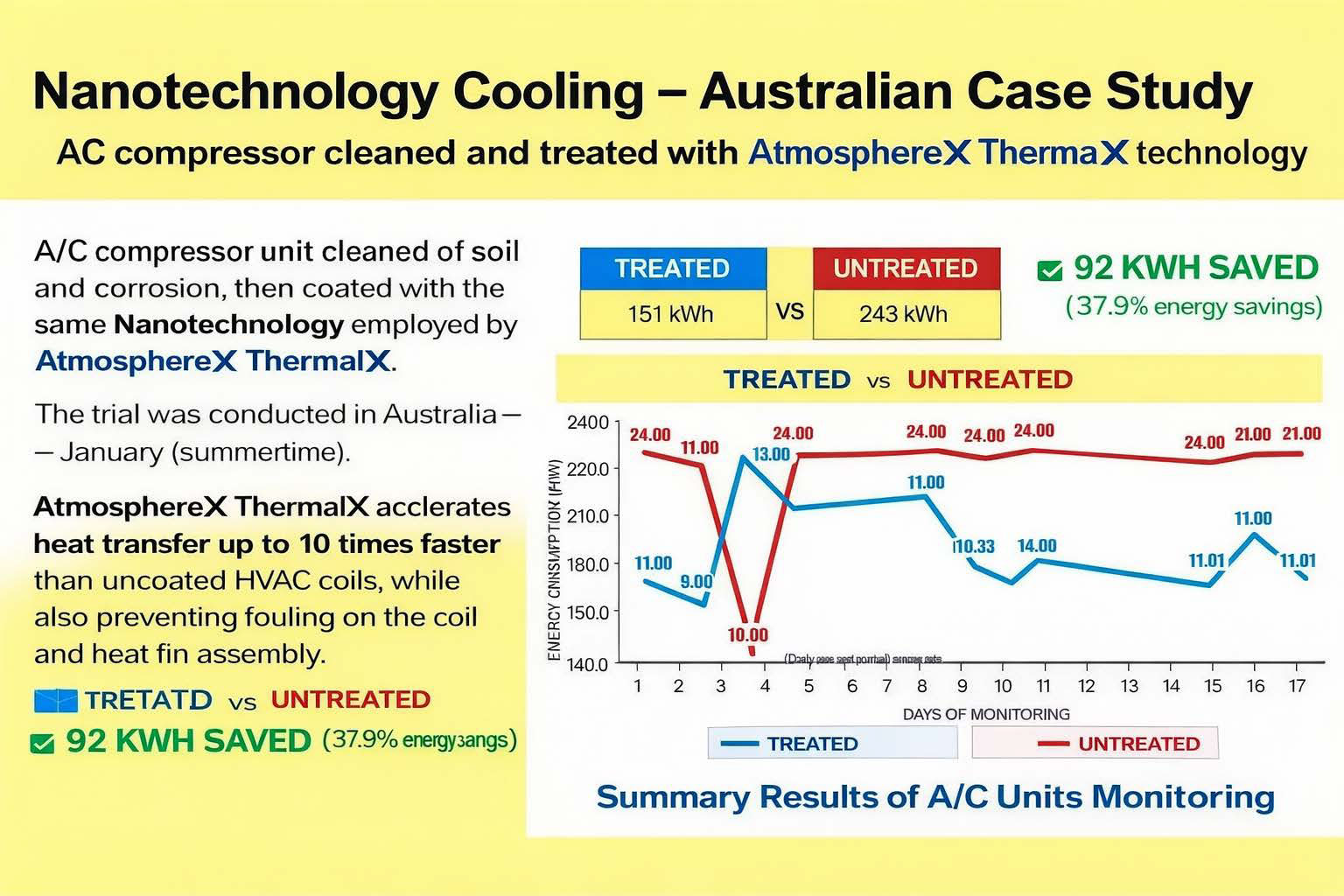
Revolutionizing Energy Efficiency with Photocatalytic Nano-Coatings

Revolutionizing Energy Efficiency with…

In today’s world, homeowners and businesses are constantly seeking innovative ways to reduce energy costs without compromising comfort. Atmosphere X offers a groundbreaking solution —…

Powered by Trust and Results

Ready to switch to solar? Let’s start the journey.

With Solarize, solar isn’t complicated. It’s reliable, intelligent, and built to perform. Let’s bring clean energy to life together.

Get Your Free Consultation

We're Proud to Partner with The Best Clients in Their Field

Have Any Other Question?

Reach Out, We’re Always Listening

Builds trust and signals that your team is open, approachable, and responsive to inquiries.

FAQ

Everything You Need to Know

From technology to timelines, find all the key answers in one simple place.

Solar energy is electricity generated from sunlight using photovoltaic (PV) panels. These panels absorb sunlight and convert it into direct current (DC), which is then transformed into usable alternating current (AC) by an inverter to power your home or business.

Yes. While the upfront cost may vary, solar systems drastically reduce monthly electricity bills and often pay for themselves within 5–7 years. Many countries also offer incentives, tax credits, or feed-in tariffs to further enhance savings.

Most solar panels are designed to last 25 to 30 years. Even after that, they continue to produce electricity at around 80% of their original efficiency, making them a long-term investment.

Not necessarily. Batteries are optional and allow you to store excess energy for later use or during power outages. Without batteries, your system can still function by exporting excess power to the grid.

Yes. With the right system size and design, solar panels can supply 100% of your energy needs, depending on location, usage patterns, and sunlight exposure.