Microbial inhibition.
Zinc oxide contributes activity without needing light. Suitable light can enhance that activity.

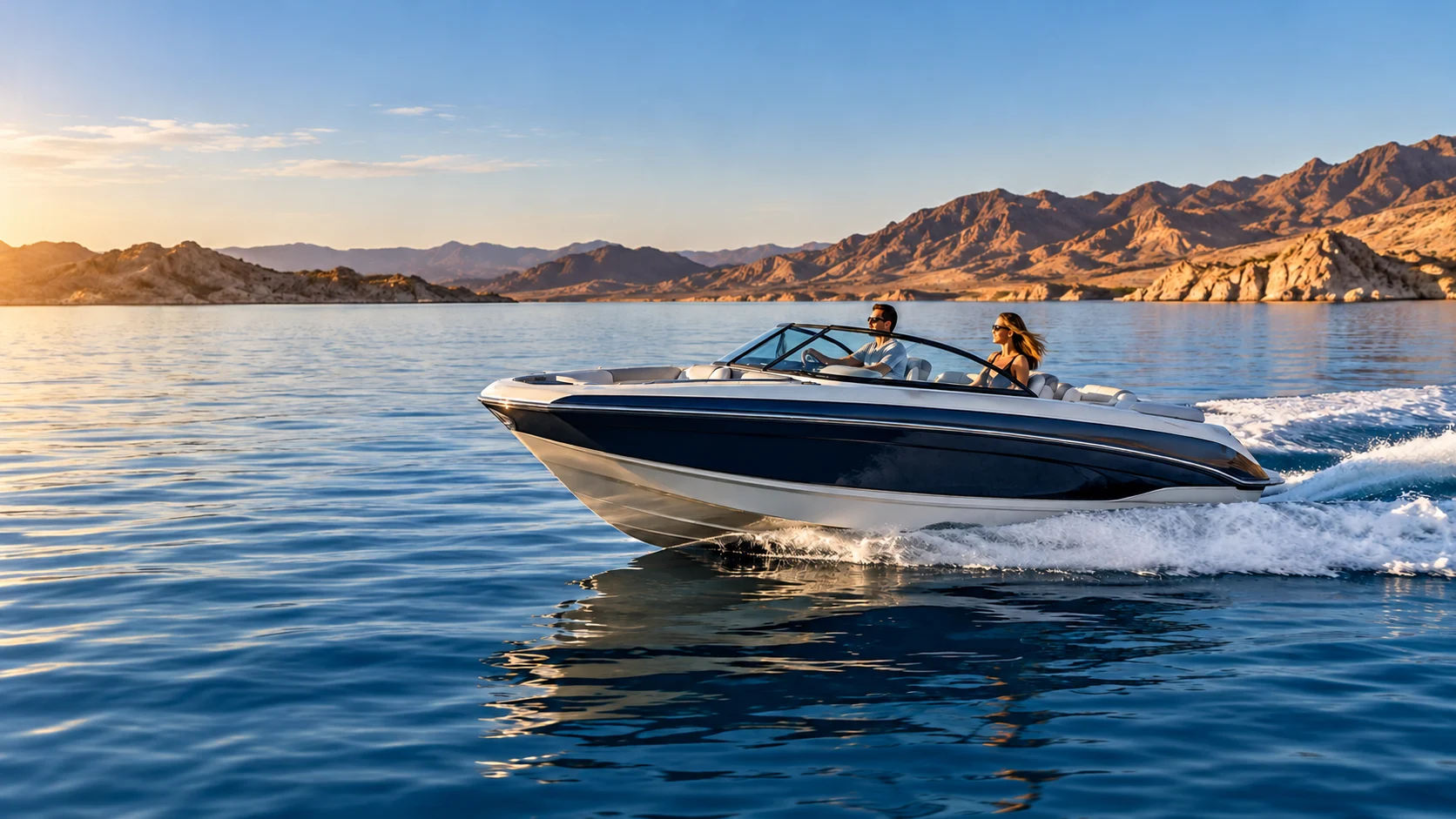
Your boat should be a source of enjoyment. Give compatible marine surfaces a considered care plan for sun, water, and everyday exposure.
 ATMOSPHERE X / MARINE
Sun, spray, water spots, and residue challenge exposed finishes. The right preparation and a consistent care routine help protect the experience you invested in.
MarineX is intended for compatible marine surfaces. Select it around the actual finish and exposure, then keep up with regular rinsing and cleaning. MarineX uses ZnO for microbial inhibition without light, with additional photocatalytic activity in suitable light.
Gelcoat, painted finishes, glass, metals, and existing coatings have different compatibility requirements. Topsides exposure differs from continuous immersion; do not assume a surface-care treatment is an antifouling coating or an underwater hull treatment. ZnO contributes microbial inhibition without requiring light, and suitable light can enhance its activity. TiO₂ provides light-activated photocatalytic action. Cobalt is included to support heat dissipation. These are different roles within the formulation; surface contact, application, and operating conditions affect the result.
Explore the purpose, fit, and preparation behind each product.
Designed for protection in light and dark conditions, with additional photocatalytic action when suitable light reaches the treatment.
Zinc oxide contributes activity without needing light. Suitable light can enhance that activity.
Titanium dioxide uses suitable light to drive reactions at the treated surface.
Cobalt is included in the treatment formulation to support heat dissipation.
Performance and service life depend on the product, surface, preparation, and environment. Continue the recommended care routine.
Explore the science ↗Check the material, finish, condition, and intended exposure.
Clean and address oxidation or existing defects with the appropriate process.
Test, apply as directed, and continue the recommended marine care routine.
MarineX is designed for surface care in both light and dark conditions. ZnO contributes microbial inhibition without light. Suitable light can enhance ZnO and activates TiO₂ photocatalysis. The level and duration of performance depend on the formulation, surface, application, and environment.
No. Do not use it as a substitute for an approved antifouling or underwater hull system.
Address the surface condition and confirm preparation requirements first. A treatment does not replace restoration when the finish needs correction.
This page makes no speed, drag, or fuel-use promise. It focuses on compatible surface care and maintenance.
Yes. Continue the care routine appropriate for your vessel, finish, and operating environment.
Tell us what you’re looking after. We’ll help you find the right product and application path.